From first feasibility to first revenue.

Luminary Medical Technologies takes medical devices from early feasibility through commercial strategy — and everything in between. Clinical, regulatory, R&D, medical and clinical affairs under one roof, staffed by practicing clinicians and career industry operators who have done it across orthopedics, spine, trauma, critical care and GI.

AI-enabled devices and software as a medical device through Class III implantables. Global from the start: FDA, EU MDR, ISO 13485 and MDSAP.

Ideas into commercialization

  • 1Early feasibility and concept
  • 2R&D, design and test strategy
  • 3Quality system build and gap analysis
  • 4Clinical affairs and evidence generation
  • 5Global regulatory submissions
  • 6Medical affairs and scientific narrative
  • 7Commercial strategy and launch

Capabilities

Does your device fit? Almost certainly.

Most consultancies are deep in one modality and one market. Our team's careers span five therapeutic areas, the full device-class range, and the three regulatory systems that matter — which is why we can start on a device we have not seen before.

Therapeutic areas

  • Orthopedics
  • Spine
  • Trauma
  • Critical care
  • Gastroenterology

Device types

  • AI and machine-learning devices
  • Software as a medical device
  • Implantables
  • Instruments and disposables
  • Capital equipment

Class & pathway

  • Class I, II and III
  • 510(k) and De Novo
  • PMA
  • IDE and early feasibility studies
  • Exempt and enforcement discretion

Global systems

  • FDA (CDRH)
  • EU MDR
  • ISO 13485 certification
  • MDSAP
  • ISO 14971 risk management

Approach

Bridging the gap between clinicians and industry.

Device programs fail at the seams between functions. Feasibility picks a concept the evidence cannot support. Engineering writes a test plan that does not map to a claim. Regulatory writes an indication no clinician would act on. Clinical designs an endpoint that cannot be measured in a real procedure room. Commercial arrives after every one of those decisions is locked. Luminary exists because those seams are where the money and the months go.

What clinicians know

How the device actually behaves in the operating room, on a full list, in the hands of someone who did not design it. Which endpoint a reviewer will believe. Which investigators enroll and which ones stall. Why a workflow claim survives contact with a hospital and a usability claim does not.

What industry knows

How to take a concept through design controls to a frozen, manufacturable design. How to build a quality system an auditor will pass, in Rockville or in Brussels. How to pick a predicate that holds. What a review division asks for in a first cycle, and how to answer it inside 180 days.

Most consultancies hire one side of that table. We were built from both, and we put both on your file from day one.

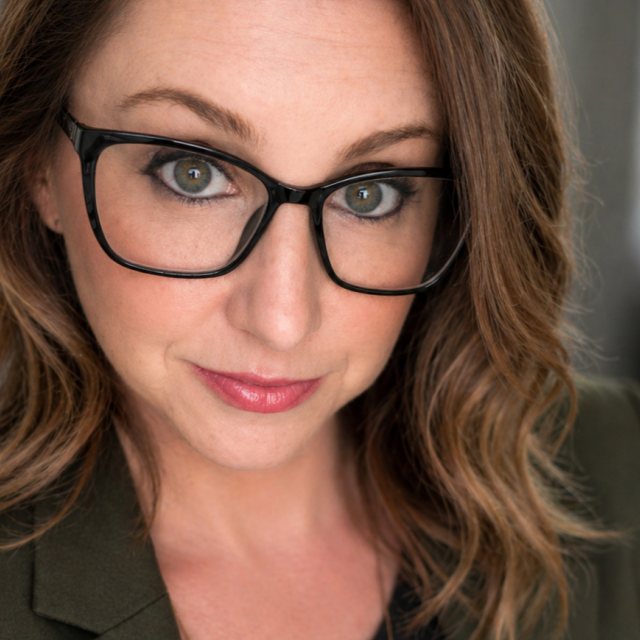
Caitlyn Seidl
The device that fails is almost never the device that did not work. It is the one that never closed the gap between the bench and the bedside.

Caitlyn Seidl Co-founder and CEO, medical device translational scientist. Twenty years taking implants, instruments, capital equipment and software from first feasibility to clinical use — across orthopedics, spine, trauma, critical care and GI.

Services

Six practices, in the order you need them.

Engage a single practice or hand us the whole program. Either way you get one team, one document trail, and one person accountable for the date you are trying to hit.

Early feasibility & product strategy

The decisions that cost nothing now and everything later. Intended use and indications wording, classification and pathway, predicate and competitive landscape, early feasibility study design, and an honest read on whether the claim you want is the claim your evidence can carry. We would rather tell you the concept needs reshaping than bill you for eighteen months of building the wrong one.
  • Intended use & indications
  • Classification & pathway
  • Predicate landscape
  • Early feasibility studies
  • Claims strategy
  • Reimbursement read
  • Development roadmap

R&D, design & test strategy

Requirements definition, concept development and design engineering through design freeze, with design controls and risk management built in from the first drawing rather than reconstructed before filing. The verification and validation strategy connects every claim on your label to evidence that will hold — including the human factors work that accounts for the largest share of first-cycle deficiencies.

  • Design controls (21 CFR 820.30)
  • Requirements & specifications
  • Design history file
  • Risk management (ISO 14971)
  • V&V test strategy
  • Bench & mechanical testing
  • Biocompatibility
  • Human factors
  • Design transfer

Quality systems, QMS builds & gap analyses

Build a quality system from zero, or find out what is wrong with the one you have before an auditor does. Our gap analyses are written to be actionable — each finding mapped to the clause it fails, the risk it carries and the work it takes to close. Then we do the closing: procedures people will actually follow, document control that survives scale, supplier controls and CAPA.

  • ISO 13485 QMS build
  • ISO 13485 certification support
  • 21 CFR 820 / QMSR
  • MDSAP readiness
  • Gap analysis & remediation
  • Document control
  • Supplier quality
  • CAPA
  • Internal audit
  • Inspection readiness

Clinical affairs & evidence generation

Protocol and endpoint design by people who have run the procedures and published the trials. IDE and early feasibility strategy, site and investigator selection from inside the networks that actually enroll, monitoring, biostatistics, and the clinical sections of the submission written to the standard a reviewer expects. Clinical evaluation reports and post-market surveillance for EU MDR.

  • IDE & EFS strategy
  • Protocol & endpoint design
  • Site selection
  • Investigator recruitment
  • Monitoring
  • Biostatistics
  • Clinical evaluation reports
  • PMCF & post-market surveillance

Regulatory strategy & global submissions

We write the submission, not a memo about writing one. eSTAR assembly, the substantial equivalence argument, test summaries, Q-Submission strategy, and correspondence with the review division managed through to decision — including the response when an Additional Information request lands. Then the same file, adapted, for the markets outside the US.

  • 510(k) & eSTAR
  • De Novo
  • PMA
  • IDE
  • Pre-Sub / Q-Sub
  • AI response strategy
  • SaMD & AI/ML
  • EU MDR technical files
  • Health Canada
  • MDSAP

Medical affairs & commercial strategy

The part most device companies bolt on too late. Scientific narrative, publication and congress planning, advisory boards, KOL mapping and engagement, and field medical materials that hold up when a clinician pushes back on your data. Then the commercial layer: adoption pathway, payer evidence, launch sequencing and the guideline placement that decides whether a cleared device becomes standard of care.

  • Scientific narrative
  • Publication planning
  • Advisory boards
  • KOL mapping
  • Congress strategy
  • Payer & reimbursement evidence
  • Guideline strategy
  • Launch sequencing
  • Field medical training

Leadership

Luminary leadership.

Three principals set the direction and carry accountability for your program — and each of them still does the work: reading your protocol, arguing about your predicate, sitting on the call with the review division. Behind them stands a considerably larger bench, brought in by name when your program calls for it.

Caitlyn Seidl Read full profile

Caitlyn Seidl, BS, CCRP

Co-founder & CEO · Medical Device Translational Scientist

Twenty years moving devices out of the lab and into clinical use, across nine device categories — spinal implants, orthopedics, cardiovascular, biologics, vascular access, capital equipment and AI software. Named submitter on four FDA clearances of a Class II AI/ML device, and a contributor to submissions across spine, orthopedics, cardiovascular and vascular access portfolios.

20years in device clinical & regulatory
9device categories, implants to software
4FDA clearances as named submitter
Full profile, record and links
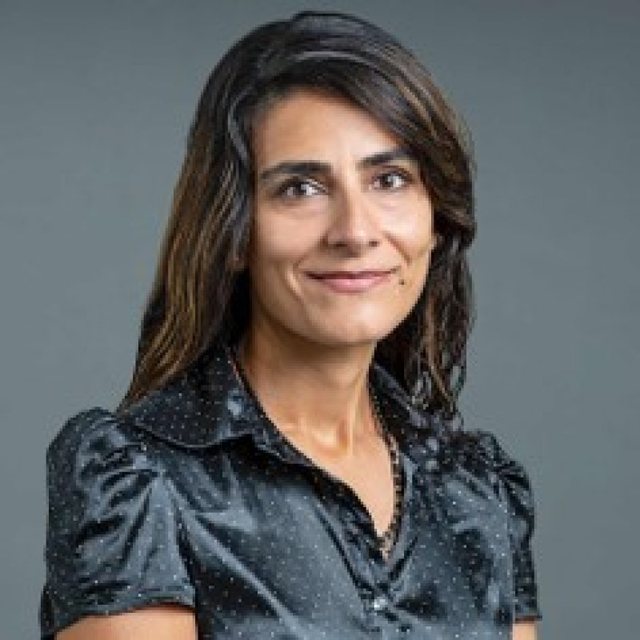
Aasma Shaukat Read full profile

Aasma Shaukat, MD, MPH, FACG

Co-founder & Chief Science Officer

Dr. Shaukat is an endowed professor at NYU Grossman School of Medicine and Director of Outcomes Research at NYU Langone. Lead author of a national clinical guideline and principal investigator of the multicenter randomized registration trial that carried an AI-enabled device to published pivotal evidence.

300+peer-reviewed publications
PIAI device registration trial
Leadauthor, national guideline
Full profile, record and links
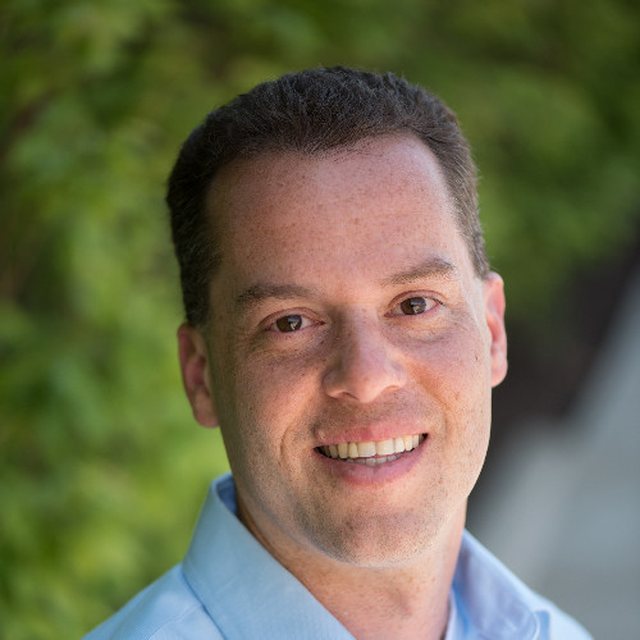
Todd Wallenstein Read full profile

Todd Wallenstein, MS

Chief of Engineering & Product Development

Two decades of device engineering, most recently as VP of R&D, Quality and Regulatory at Evolution Spine. Named submitter on multiple FDA clearances and a named inventor on issued US implant patents. Engineering and innovation leadership at K2M and Stryker before that.

20years in device engineering
2+clearances as named submitter
USissued implant patents
Full profile, record and links
Full leadership profiles

Every profile carries the full career record, the cleared submissions, the publications and a link to their professional page. Specialists from the wider bench are introduced by name once we know what your program needs.

The wider bench

The right people, in the right meeting, at the right time.

Luminary maintains a deep bench of extraordinarily talented individuals across every area we practice in — surgeons and treating physicians, design and test engineers, biostatisticians, notified body and audit specialists, reimbursement and market access advisors, and former agency reviewers.

So when your program needs a particular voice — a spine surgeon who will tell you the instrument handle is wrong, a biostatistician who will defend your endpoint, someone who has sat on the other side of a notified body audit — we bring the person who has already solved that problem, at the point in the timeline where it still changes the outcome. You get the specialist for the question in front of you, not a generalist reading around it.

Tell us what you are facing

Questions

Before you get on the call.

The answers we give most often, before anyone gets on a call.

Feasibility, ideally. The cheapest decisions in a device program are made before anything is built: intended use wording, classification and pathway, predicate selection, and whether the claim you want is the claim your evidence can carry. We routinely engage pre-prototype. We also take on programs at any later point, including mid-review after an Additional Information request has landed.

Early feasibility through commercial strategy, and everything in between. Concept and requirements, design engineering, design controls and risk management, V&V testing, the quality system, the clinical evidence, the global submissions, medical affairs and the launch plan. Most consultancies pick up at the submission and inherit whatever decisions feasibility and engineering already made. We would rather be there when those decisions get made.

We write it. Luminary drafts and assembles the eSTAR package, builds the substantial equivalence argument, prepares the test summaries, and manages correspondence with the review division through to decision. You get a submission, not a memo about how to write one.

Class I through Class III across orthopedics, spine, trauma, critical care and gastroenterology. We specialize in AI and machine-learning devices, software as a medical device, and implantables, and we also work on instruments, disposables and capital equipment. Between us we have taken implants, capital equipment and software through clearance. If we are not the right team for your device, we will tell you on the first call.

Yes, and we would rather plan for them before the US submission than retrofit afterward. EU MDR technical files, clinical evaluation reports and post-market clinical follow-up, ISO 13485 certification support, and MDSAP readiness. Building one quality system that satisfies FDA and your notified body is considerably cheaper than building two.

Yes. Protocol and endpoint design, IDE strategy, site and investigator selection, monitoring, biostatistics, and the clinical sections of the submission. Our clinical co-founder sits inside the investigator networks you need to recruit from, which is usually the difference between a trial that enrolls and one that stalls at 40 percent.

Fixed fee for defined deliverables — a QMS gap analysis, a feasibility and pathway assessment, a Pre-Sub package, a 510(k). Retained monthly for ongoing regulatory, quality, engineering or clinical support. We will tell you which is cheaper for your situation before you sign anything, including when the answer is that you do not need us yet.

Most consultancies are staffed entirely by industry, and most cover one slice of the lifecycle. Luminary pairs industry operators with practicing physicians who use devices like yours in real procedures, and with engineers who have designed, tested and cleared devices themselves. That changes how the intended use is framed, which endpoints get chosen, and how the human factors and test strategy are written — the areas where first-cycle deficiencies concentrate.

Contact

Tell us where the program is.

A founder reads every inquiry. The questions below are the ones we would ask in the first ten minutes anyway — answering them here means the first call starts at the real problem. If there is a live submission or a deficiency letter on the table, say so; those move to the front.

Office
Leesburg, Virginia
Working with teams across the US and EU
Response time
One business day

Who you are

The device

Where you stand

Opens in your email client. Connect a form endpoint to submit directly.